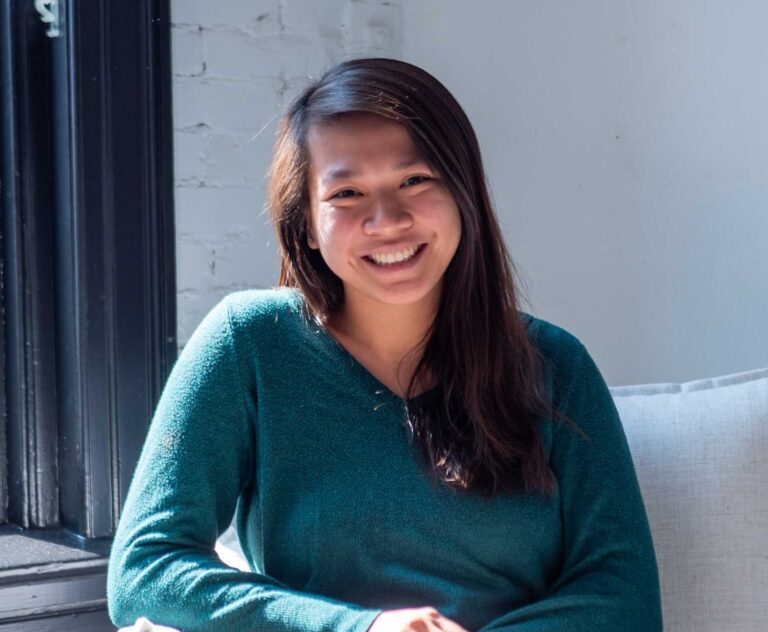
Navigating the challenges of marginalized identities can be incredibly tough, especially when dealing with relational and developmental trauma, anxiety, depression, and overwhelming emotions. If you’re feeling overwhelmed due to a history of struggles with interpersonal relationships and attachment, neglect, or abuse, know that you’re not alone. If you feel caught between cultures, experiencing a sense of displacement and searching for your true belonging, it can be incredibly isolating and lonely. This space is here for you to authentically express yourself, explore your complexities, and begin your journey toward healing.
As a 2.0 Asian American, I’ve navigated the complexities of my Taiwanese and Malay-Chinese heritage while unpacking the challenges of assimilation and more. Existing in that in-between space has shaped my perspective. I am passionate about supporting AAPI and BIPOC adults and adult children of immigrants as they navigate the complexities of burnout, toxic work environments, code-switching, people-pleasing, complex trauma, and identity reclamation.
My approach is rooted in anti-oppressive, culturally trauma-informed practices and somatics that emphasize mutuality and community. When clients ask about what it’s like working with me, the word “understanding” comes to mind. As someone who has their own distinct flavor, I bring my own authenticity and curiosity to every session, creating a safe space for you to be more attuned to your body and emotions. I do not believe in a one-size-fits-all approach to therapy but rather a co-creation process between therapists and client(s).